By BarathVector Editorial — 2026-04-26
India has concluded two of its most significant trade agreements in a generation. A comprehensive deal with the United Kingdom, followed in January by a landmark free trade agreement with the European Union. Zero-duty access on labour-intensive goods. Tariff reductions on the majority of bilateral trade. The trade press called it a triumph. The climate press did not call it anything.
That silence is the story.
Trade policy is climate policy
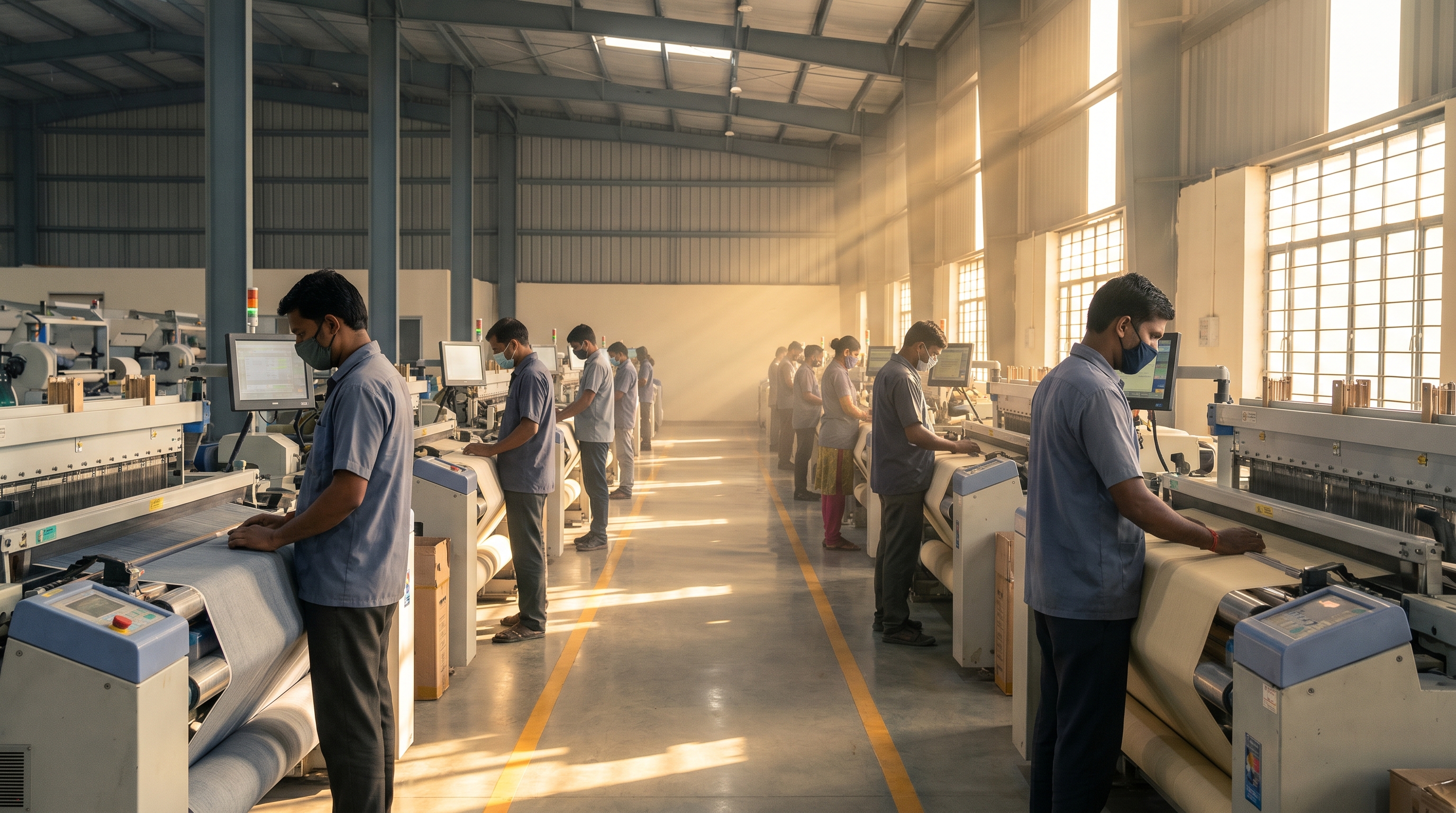
The structure of what a nation makes determines the structure of what it must power. If India routes its new EU and UK market access toward clean manufacturing -- solar panels, EV components, green steel, low-emission textiles, sustainable chemicals -- it converts a tariff agreement into an emissions pathway. If it routes it toward the same carbon-intensive industries that have defined its industrial base for forty years, the trade deal becomes a lock-in: more market access, more investment, more infrastructure, all built on a carbon base that becomes harder to transition away from with each passing year.
The choice is not academic. It is operational, and it needs to be made now -- in industrial policy, in infrastructure investment, in the incentives offered to exporters who are about to gain access to the largest consumer markets on earth.
The CBAM clock is running
The European Union's Carbon Border Adjustment Mechanism is already pricing carbon at the border. Indian exporters in steel, cement, aluminium, fertilisers, and electricity-intensive goods are currently in a phase-in period. Full pricing begins within a short window.
The exporters who clean their supply chains before that date gain a structural competitive advantage. The exporters who wait will pay a border tariff they cannot absorb in a margin environment that does not have room for it. This is not a theoretical future. It is an approaching deadline that is being treated, in most Indian boardrooms, as someone else's problem.
The democratic dividend
There is a political argument that Indian trade negotiators should be making domestically, and loudly.
Labour-intensive manufacturing, done cleanly, produces distributed, working-class prosperity. It creates large numbers of formal sector jobs across geographies. It builds the economic middle that is the social foundation of stable democratic governance. Concentrated extraction economies -- coal, oil, heavy mining -- produce inequality, regional grievance, environmental damage, and the kind of democratic fragility that follows when a single-industry town loses its industry.
An Indian industrial policy that routes the EU and UK trade access toward clean manufacturing is a political promise to working people, not just an environmental commitment to future generations. The two are the same promise.
What needs to happen
The deals are signed. The harder work is in implementation: which industries receive production-linked incentives, which sectors get green industrial parks, which exporters receive the technical assistance needed to meet EU supply chain due diligence requirements.
India has a window. The EU's regulatory architecture has made clean supply chains a competitive requirement, not a voluntary commitment. Indian industry that treats this as constraint rather than opportunity will find itself at a structural disadvantage within a decade.
The trade deal is the platform. The question is what gets built on it.