By BarathVector Editorial — 2026-04-26
India's foreign policy posture under the Trump administration's second term has shifted. New Delhi has de-emphasised climate finance and green technology partnership in its multilateral positioning, leaning instead toward critical minerals security and AI infrastructure. Washington approves of the new framing. The climate advocacy community does not. The second group may be missing something.
Why the critics are partially wrong
"Climate finance" was always a politically fragile category. It was a commitment made by wealthy nations -- at Copenhagen, at Paris, in successive COP final statements -- that most never intended to fully honour, structured as grants and concessional loans flowing from north to south, in amounts that were dwarfed by the fossil fuel subsidies the same nations continued to provide domestically.
India was right to be frustrated by climate finance. The pledges were large. The delivery was not. And the format created a dependency posture that did not serve India's long-term interests: waiting for money from countries that were simultaneously undermining the climate agreements that made the money necessary.
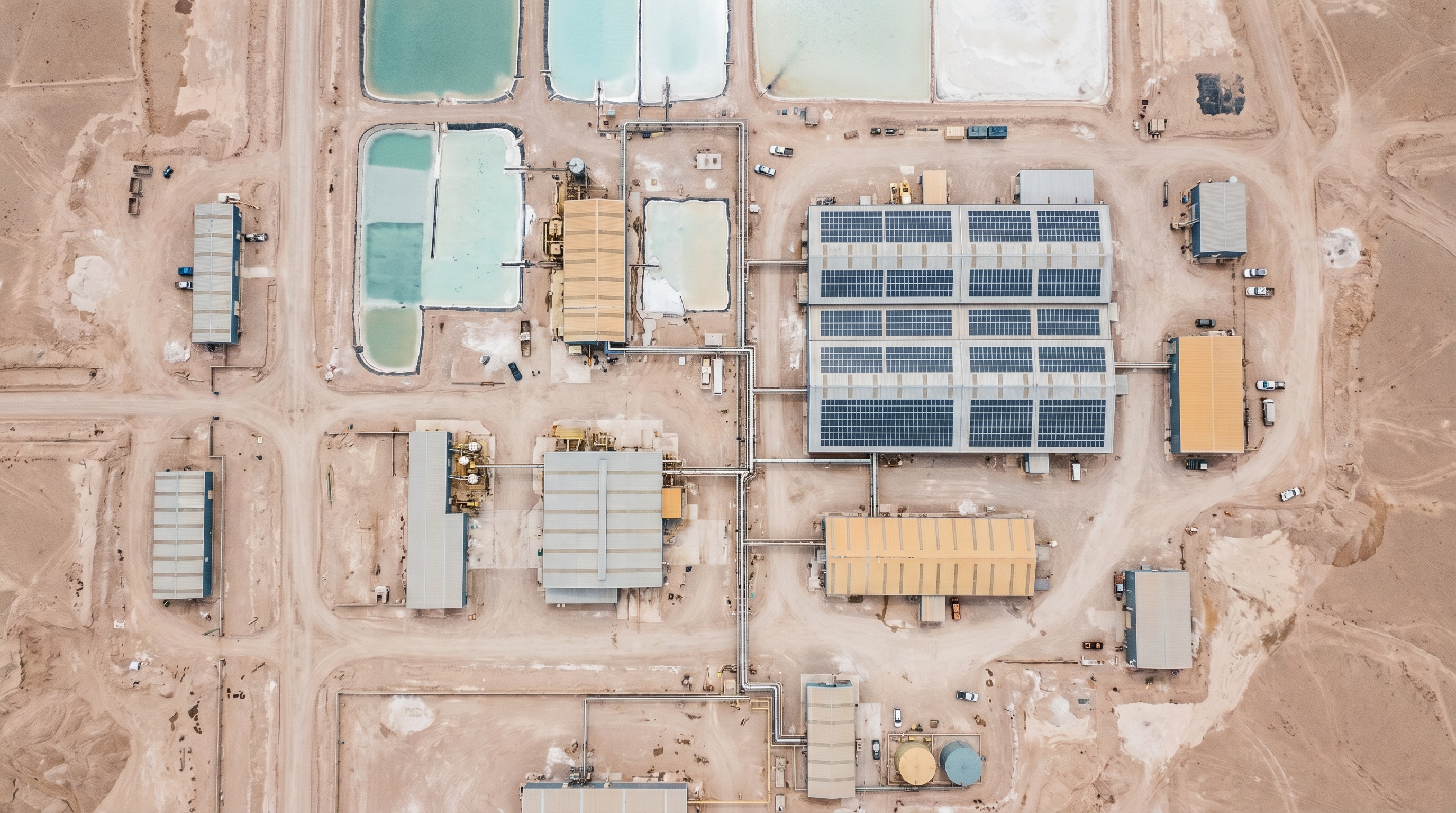
India's pivot toward demanding supply chain partnerships in critical minerals -- the lithium, cobalt, rare earths, and green hydrogen that are the physical substrate of the energy transition -- is a different posture. It is a demand to be a participant in building the clean energy economy, not a recipient of compensatory payments for bearing its costs. That is a more durable position.
The legitimate concern
The worry is intent. India's critical minerals strategy serves the energy transition only if the materials are used to build domestic clean energy infrastructure at scale. If the strategy becomes a new layer of resource partnership that generates royalties and diplomatic leverage without translating to solar deployment, EV penetration, or grid decarbonisation, then the frame has changed and the outcome has not.
The Trump administration's interest in critical minerals is not driven by climate concern. It is driven by strategic competition with China over supply chain control. India benefits from that interest -- it brings investment, technology partnerships, and defence cooperation. But the climate outcome depends on what India does with the position, not on what Washington wants from it.
The framework for judgement
India at $4 trillion GDP and 7.4 percent growth has the financial capacity to deploy clean energy at the pace required. The critical minerals strategy, if executed with domestic deployment as the primary goal, could accelerate that deployment significantly. If executed as primarily a foreign policy and revenue play, it will not.
The indicators to watch are not diplomatic communiqués. They are budget allocations: what share of the production-linked incentive scheme goes to clean energy manufacturing. What the national renewable capacity targets are backed by in grid infrastructure investment. Whether the critical minerals partnerships include technology transfer for domestic clean energy production, or only raw material extraction arrangements.
The semantic frame changed. The substance must now follow. India has more tools than it has had in a generation to make the energy transition its defining economic story. Whether it uses them is a democratic question -- one that will be answered in parliament and in the streets, not in Washington.